The Essential Guide to Stereo Microscopes: Principles, Applications, and Choosing the Right Measuring Testing Instrument
Introduction to Stereo Microscopy
The stereo microscope, also called the dissecting microscope, is a widely used optical instrument in industrial and biological settings. Unlike compound microscopes—designed for high-magnification analysis of thin specimens—it provides 3D visualization of solid objects at low magnifications (typically 6x to 80x, expandable via auxiliary lenses). This depth perception makes it indispensable for tasks requiring precise hand-eye coordination, such as dissection, precision assembly, quality inspection, and rework.
As a leading supplier of precision Measuring Testing Instrument solutions, Mikrosize prioritizes optical clarity and operational precision for quality control and scientific research. Our stereo microscopes bridge the gap between the unaided eye and the microscopic world, serving production facilities and research labs alike.
Understanding Stereo Microscope Principles
The Science Behind Stereopsis
The key difference between stereo and compound microscopes lies in their optical design. Compound microscopes use a single optical path, projecting 2D images. In contrast, stereo microscopes use two separate optical pathways (one per eyepiece) that capture images from slightly different angles, mimicking human vision. The brain fuses these images into a 3D view via stereopsis.
This depth perception is critical for delicate tasks: soldering miniature circuit components, precise micro-injection, or dissection all require spatial awareness to judge distances and manipulate tools effectively. The stereo microscope turns magnified views into actionable 3D spaces for precise hand movements.
Greenough Versus Common Main Objective Designs
Stereo microscopes use two primary optical designs, each suited to specific applications:
Greenough Principle: A traditional design with two independent optical systems (each with its own objective and eyepiece). It offers excellent stereoscopic depth, a compact form, and cost-effectiveness, making it ideal for education and routine inspection.
Common Main Objective (CMO) Design: A modern, advanced design with one large objective serving both optical pathways. It provides longer working distances, easy accessory integration (e.g., fluorescence illuminators), ergonomic viewing angles, and superior optical aberration correction. High-end research models often use apochromatic optics for color-fringe-free, high-contrast images.
Essential Components of Stereo Microscopes
Mikrosize ensures all components of our stereo microscopes meet strict standards for durability and optical performance, working in harmony for clear, ergonomic viewing.
Observation Heads and Eyepiece Systems
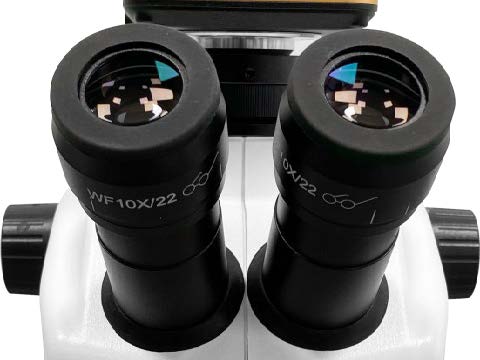
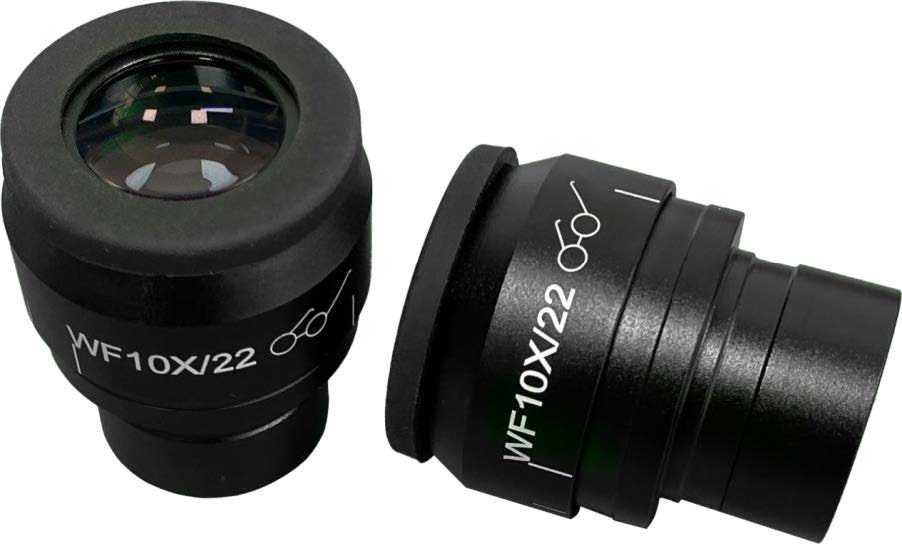
The observation head contains eyepieces and prisms that direct images to the user. Standard eyepieces (10x or 15x) have diopter adjustments to compensate for vision differences between eyes, and interpupillary adjustment to fit varying facial structures, reducing eye strain during prolonged use.
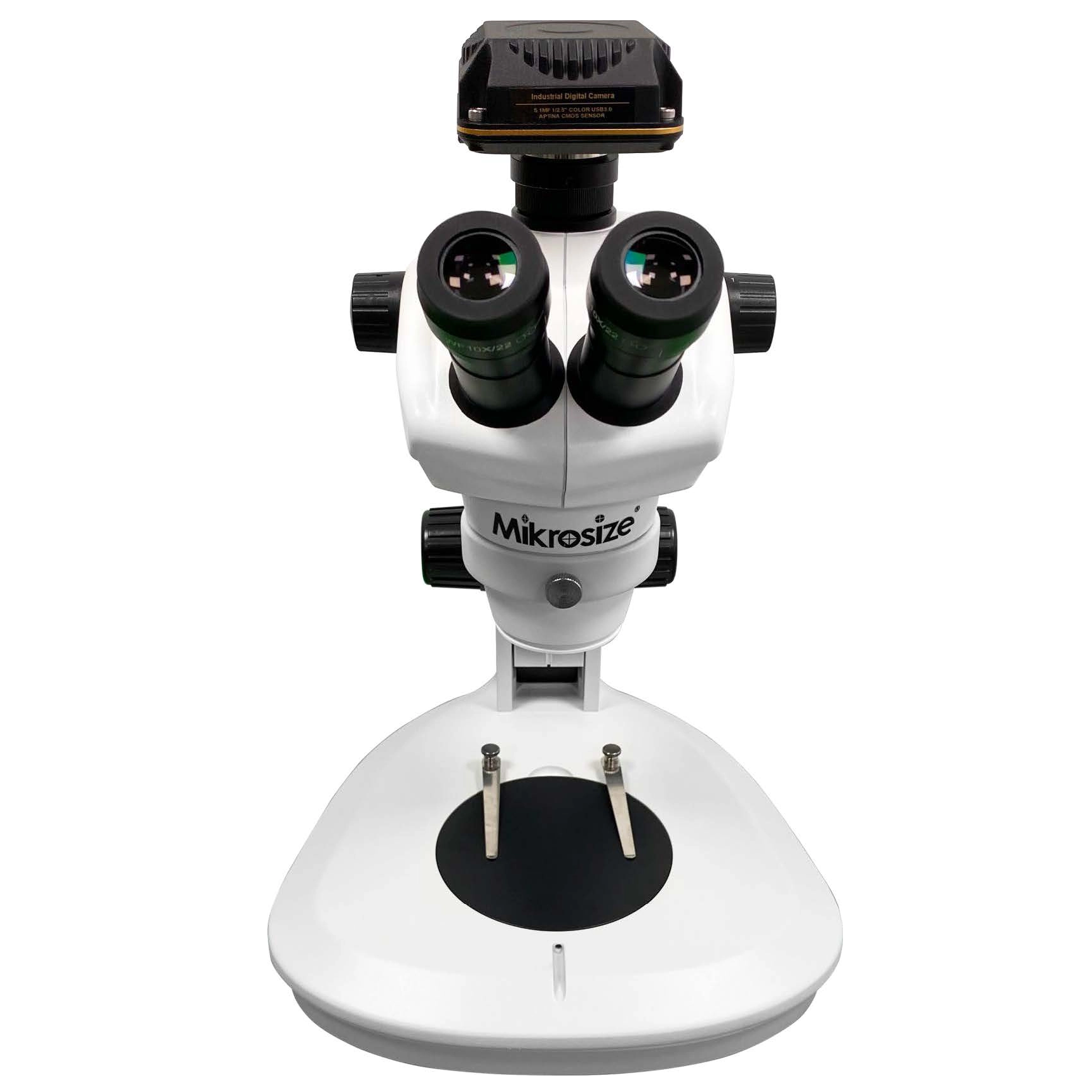
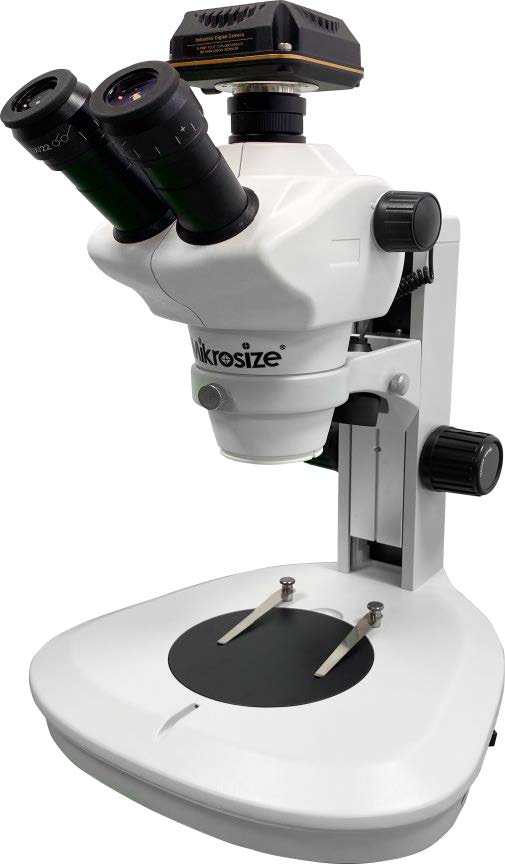
Head configurations include: binocular (for visual observation only) and trinocular (with an extra port for digital cameras, enabling simultaneous viewing and documentation—critical for modern quality assurance workflows).
Focusing Mechanisms and Stand Options
The focusing knob adjusts the observation head or stage vertically to sharpen focus. High-quality models have smooth, tension-adjustable mechanisms to support accessory weight. Stands provide structural stability, with types tailored to applications:
Pole stands: Stable with basic vertical adjustment, suitable for general lab work.
Boom stands: Articulated arms for large workspaces, ideal for oversized components, microsurgery, or industrial tasks requiring extensive access.
Objective Lenses and Zoom Systems
Unlike compound microscopes (with rotating fixed objectives), modern stereo microscopes use continuous zoom systems. A control knob enables seamless transitions from low-power overviews to high-power detail checks, with zoom ratios (e.g., 6.5:1, 8:1) providing flexibility without lens changes. Premium systems are parfocal (specimens stay in focus across magnification ranges), and auxiliary objectives can extend magnification or working distance.
Illumination Systems and Techniques
Stereo microscopes primarily use incident light (reflected from specimen surfaces) for opaque objects (rocks, insects, electronics), unlike compound microscopes (transmitted light for thin specimens). Modern systems offer versatile lighting:
Dual LED illumination: Standard, with upper incident light (opaque samples) and lower transmitted light (translucent samples via glass stages).
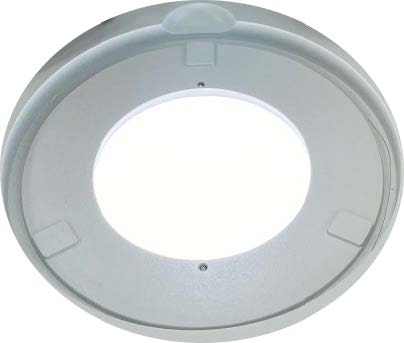
Flexible options: Gooseneck LEDs (adjustable angles for surface texture/contrast) and ring lights (shadow-free, even illumination). Independent dimming reduces glare on reflective surfaces.
Applications Across Industries
Mikrosize’s robust Measuring Testing Instrument systems are trusted globally in classrooms, production lines, and research facilities, thanks to the stereo microscope’s versatility.
Electronics Manufacturing Applications
Technicians use stereo microscopes for PCB assembly/rework, inspecting solder joints (cold joints, bridges) with the depth perception only these instruments provide. Extended working distances (often >100mm) allow maneuvering soldering irons and tweezers. Failure analysis engineers trace broken circuits and examine micro-electronic integrity.
Biological and Life Sciences Applications
Stereo microscopes are essential dissecting tools: entomologists study insect morphology, botanists examine plant structures, and labs use them for organism sorting and micro-dissection. 3D visualization enables tool manipulation while observing specimens.
Material Science and Quality Control
Material scientists use them for quality control: examining fracture surfaces, metal grain structures, and part surface finish. Forensics professionals analyze trace evidence (fibers, hair, tool marks) with adjustable lighting and zoom for legal documentation.
Medical Device Manufacturing
Medical device production requires meticulous inspection (catheters, stents, surgical instruments) for defects. Boom-stand stereo microscopes are used in surgical suites and labs for microsurgery (vessel/nerve suturing in training/animal research).
Advanced Features and Digital Integration
Digital technology has transformed stereo microscopes into comprehensive data acquisition platforms.
Digital Camera Integration
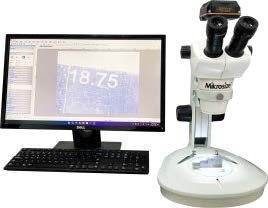
Digital stereo microscopes integrate high-resolution cameras, displaying real-time images/videos on monitors to reduce eye strain and enable shared viewing. Advanced systems have autostereo displays (3D on flat screens without specialized eyewear) and twin cameras with eye-tracking for immersive, fatigue-free 3D experiences—ideal for collaboration.
Measurement and Documentation Software
Paired with cameras and software, stereo microscopes become powerful metrology tools. On-screen measurements, annotations, and reference overlays support ISO standards with verifiable data. Encoded models track magnification/settings for calibrated, comparable images, eliminating guesswork in quality reports.
Ergonomic Innovations
Premium models prioritize ergonomics to reduce strain for long-hour users: adjustable viewing angles, upright head/neck positioning, and natural-hand-focus controls enhance comfort and productivity.
Selecting Appropriate Stereo Microscopes
Choosing the right stereo microscope requires considering application needs and budget. Mikrosize’s lineup meets diverse requirements.
Application Assessment Considerations
Sample characteristics: Opaque samples need strong incident light; translucent samples benefit from combined incident/transmitted light.
Workflow: Binocular heads for simple observation; trinocular heads for documentation/measurement (camera port required).
Sample dimensions: Standard stands for small/flat items; boom stands for large/bulky items requiring tool access.
Optical Performance Evaluation
Zoom range (wider ratios = greater versatility) and working distance (critical for tool access, >100mm for manipulation) are key. Premium optics (apochromatic lenses) deliver superior color accuracy and sharpness.
Illumination and Accessory Considerations
Built-in LED illumination is convenient; external gooseneck lights offer flexibility. Modular systems allow future expansion (auxiliary lenses, eyepieces, stands) to support lab growth.
Maintenance and Best Practices
Proper care ensures long-lasting, consistent performance of Mikrosize Measuring Testing Instruments.
Optical cleaning: Use specialized lens tissue and solutions; compressed air removes loose dust. Avoid paper towels/harsh chemicals (damage coatings).
Environment: Store in clean, dry areas; use dust covers to prevent contamination.
Mechanical care: Operate focus/zoom knobs gently; stiff mechanisms require professional servicing (do not force).
Calibration: Regular calibration with stage micrometers ensures measurement accuracy, supporting quality management systems.
Conclusion
Stereo microscopes are indispensable across disciplines, enabling precision unattainable by other methods. As a trusted Measuring Testing Instrument provider, Mikrosize equips professionals with high-quality stereo microscopes to drive excellence.
Investing in quality stereo microscopes—whether for new labs, production upgrades, or education—fuels accuracy, quality, and discovery. Understanding features and options ensures selecting the ideal instrument for specific challenges and advancement.


