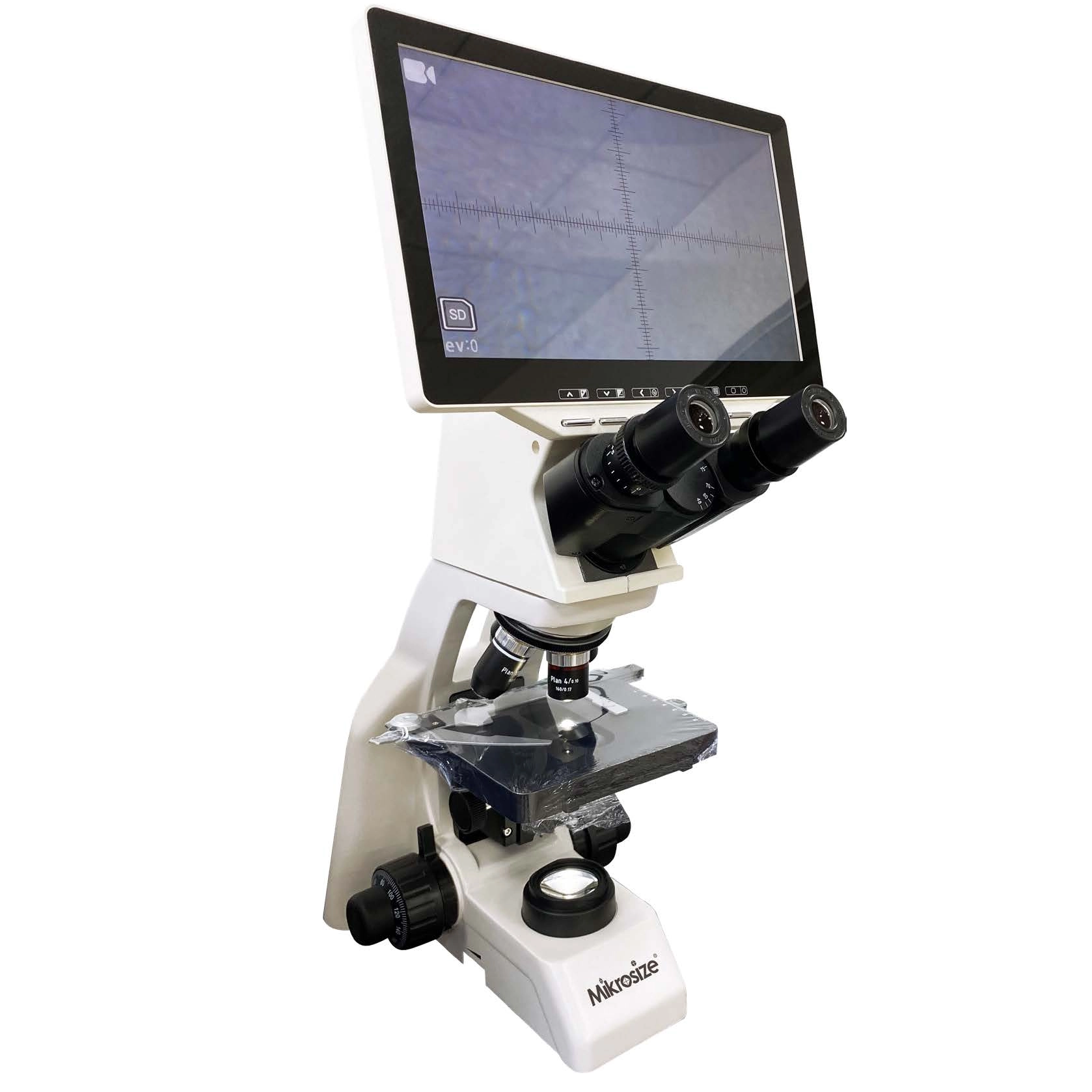
High-Quality Binocular Biological Microscope by Mikrosize: Precision Optical Instruments for Modern Science
In scientific research and medical diagnostics, precision is essential. The Binocular Biological Microscope is an indispensable tool in fields such as biology, cytology, histology, and medicinal chemistry. As a trusted supplier of Measuring Testing Instrument solutions, Mikrosize delivers high-quality optical equipment that combines advanced imaging capabilities with ergonomic design. These microscopes are widely used in medical institutions, research institutes, colleges, and teaching laboratories, supporting everything from routine medical examinations to advanced scientific discovery.
Versatile Applications in Science and Medicine
Binocular biological microscopes are essential for the three major routine examinations in medicine—hematology, urinalysis, and parasitology—and serve as primary teaching tools in academic settings. The Mikrosize brand offers instruments that are compact, lightweight, and easy to operate, making them ideal for hospitals, laboratories, and universities. As a dedicated Measuring Testing Instrument provider, Mikrosize ensures reliable performance across diverse applications, from high-throughput clinical labs to specialized research environments.
Core Feature 1: Superior Stereoscopic Vision and Depth Perception
A key advantage of the binocular design is true stereoscopic vision. Mikrosize microscopes employ a dual-channel optical path where left and right eyepieces project images at a 12° to 15° viewing angle. The brain fuses these images into a three-dimensional view with depth perception, allowing users to accurately assess the microscopic hierarchical structure of samples. This feature is critical in anatomy, microsurgery, and material defect analysis, where spatial relationships directly impact accuracy.
Core Feature 2: Enhanced Observational Comfort
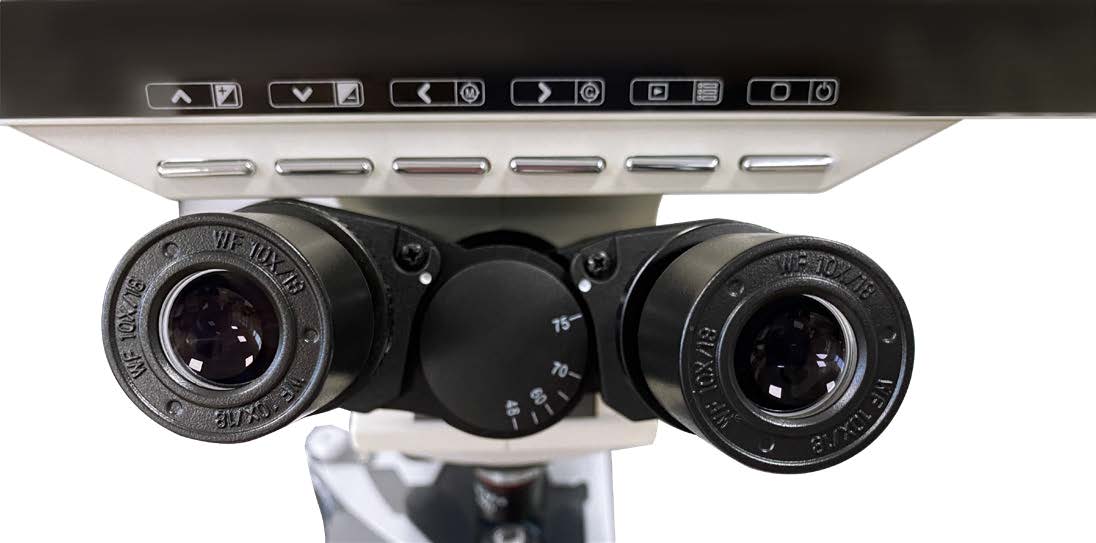
Using both eyes aligns with natural human vision, eliminating the strain common with monocular observation. Mikrosize binocular microscopes feature adjustable pupillary distance (50–75 mm) and diopter compensation, accommodating users with or without glasses. The observation tube is typically tilted at 30° to 45°, promoting a natural sitting posture and reducing neck fatigue. These ergonomic considerations enable longer, more productive work sessions without discomfort.
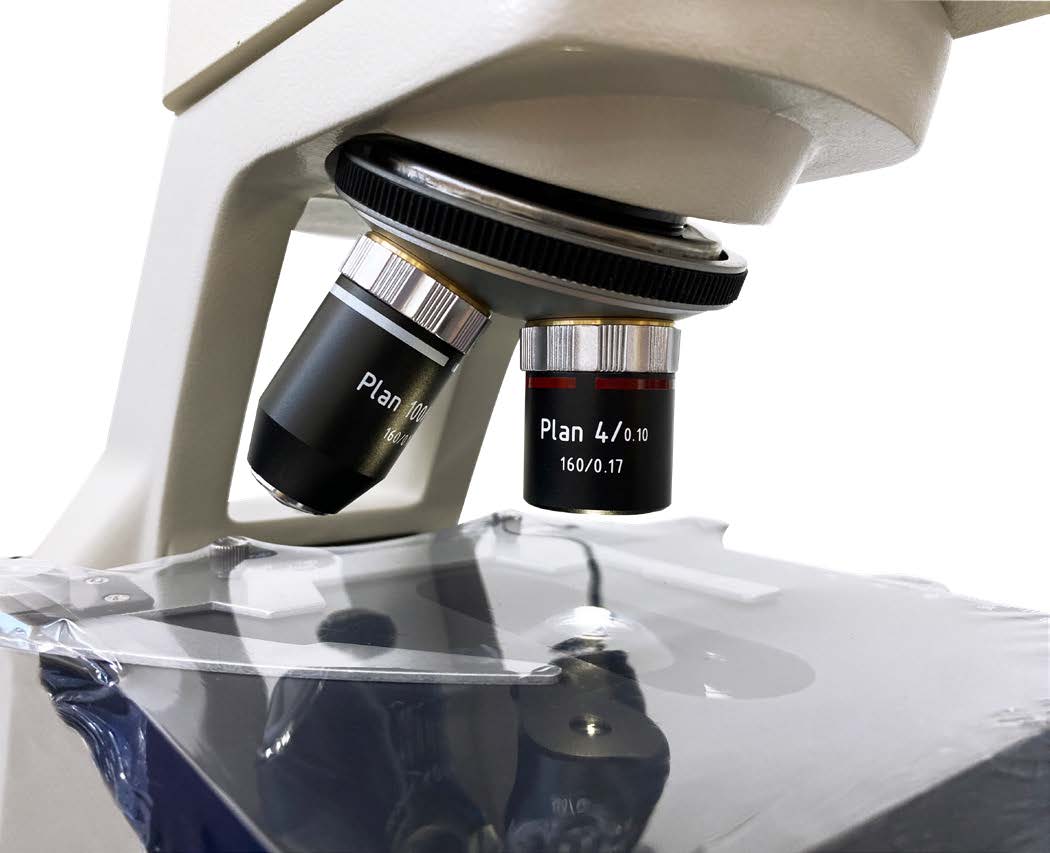
Core Feature 3: Humanized Structural Design
Mikrosize instruments are built for collaborative and diverse laboratory environments.
Adjustable Pupil Distance and Refractive Error: Quick adjustments allow multiple users to share a single microscope without recalibration—ideal for teaching labs.
360° Rotating Lens Barrel: This feature enables easy sharing of views among colleagues and flexible adjustment of the viewing angle.
Long Working Distance and Large Depth of Field: Especially in stereomicroscope configurations, working distances can exceed 100 mm, allowing ample space for dissection, micro-welding, or manipulation while maintaining focus.
Large Field of View: A wider field speeds up sample scanning, improving workflow efficiency.
Core Feature 4: Flexible Lighting and Imaging Systems
Illumination is crucial for image quality. Mikrosize binocular biological microscopes utilize LED cold light sources with continuously adjustable brightness. LEDs produce minimal heat, preserving live specimens. Advanced models support Köhler illumination for uniform, high-contrast lighting and offer transmitted/reflected light switching to accommodate both transparent and opaque samples. High-end variants include brightness memory, automatically recalling optimal illumination for each objective lens—streamlining work in busy laboratories.
Core Feature 5: Continuous Zoom and High-Resolution Optics
Optical precision defines the Mikrosize Measuring Testing Instrument range. Many binocular models feature continuous zoom objectives (e.g., 0.7×–4.5×), enabling smooth magnification changes from 7× to 45× or higher without changing lenses. This allows users to scan at low power and zoom in seamlessly on details. Anti-reflective coatings on all optical surfaces enhance light transmission, contrast, and color fidelity, ensuring sharp, artifact-free images essential for accurate analysis.
Core Feature 6: Wide Application Compatibility and Digital Integration
Modern laboratories require digital documentation. Mikrosize microscopes support camera and smartphone adapters for image and video capture, facilitating data sharing, publication, and quality assurance. Trinuscular models feature a dedicated camera port, allowing simultaneous observation and projection on a large screen—ideal for teaching demonstrations or collaborative reviews. This integration makes Mikrosize instruments versatile assets in both education and industrial settings.
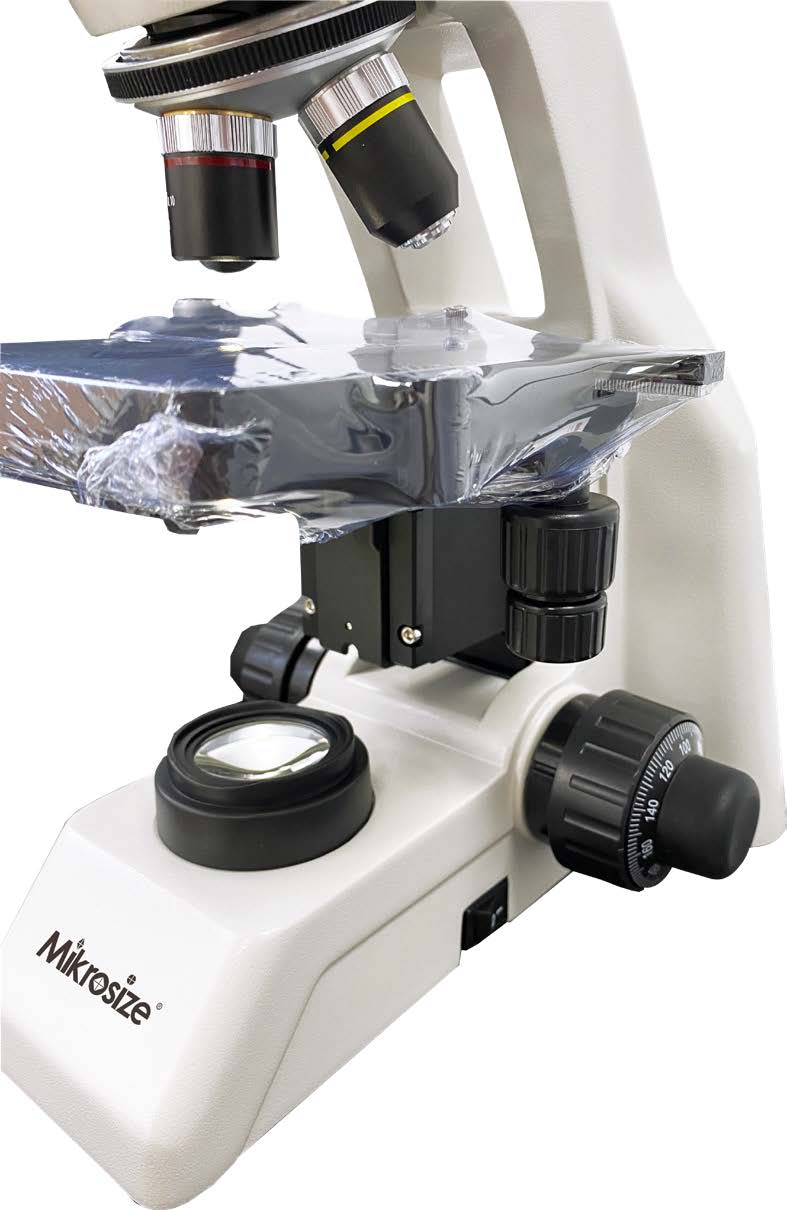
Mikrosize: Your Trusted Supplier for Measuring Testing Instruments
Choosing the right supplier is as important as choosing the right instrument. Mikrosize is a premier supplier in the Measuring Testing Instrument industry, offering not only binocular biological microscopes but also hardness testers, video measuring machines, and metallurgical equipment. Each instrument is rigorously tested for quality, durability, and accuracy. With a focus on customer support and technological innovation, Mikrosize ensures that laboratories, educational institutions, and industrial facilities receive reliable solutions tailored to their needs.
Advanced Technical Features
Mikrosize binocular microscopes incorporate wide-field, high-eye-point eyepieces and plan-achromatic objectives for flat, color-corrected imaging. The mechanical stage features coaxial coarse and fine focusing with high precision (up to 0.002 mm), enabling accurate focusing at high magnifications. Phase contrast and darkfield configurations are available for live, unstained specimen observation, expanding the instrument’s utility in cell biology and advanced research.
Value in Educational Settings
In schools and universities, the ease of use and comfort of binocular observation significantly enhance learning. Students can engage with specimens without physical strain, and the 360° rotating head facilitates group viewing, promoting collaborative learning. Mikrosize instruments are built to withstand the demands of high-traffic teaching environments, providing long-term value for educational institutions.
Industrial and Material Science Applications
Beyond biology, these microscopes serve industrial quality control. The long working distance and large depth of field make them ideal for inspecting electronic components, solder joints, and material surfaces. With reflected light options, Mikrosize binocular microscopes support metallurgical and polymer inspections, offering a versatile solution for facilities requiring both biological and material analysis capabilities.
Why Choose Mikrosize
Mikrosize combines cutting-edge optical technology with robust construction and responsive technical support. As a dedicated supplier, they ensure each Measuring Testing Instrument meets stringent performance standards. Their commitment to innovation—such as LED illumination, ergonomic designs, and digital integration—keeps customers at the forefront of their fields. Choosing Mikrosize means investing in precision, durability, and a partnership focused on your success.
Conclusion
The binocular biological microscope remains an essential tool for scientific progress, medical diagnostics, and industrial quality control. Mikrosize, as a leading Measuring Testing Instrument supplier, elevates this instrument through superior optics, ergonomic design, and versatile features. Whether for routine medical examinations, advanced research, or precision manufacturing, Mikrosize binocular biological microscopes deliver the clarity, comfort, and reliability that modern professionals demand. By partnering with Mikrosize, laboratories and institutions gain a trusted ally in achieving accurate, repeatable, and impactful results.


